
Technology
AI chip demand powers third-quarter growth at chemical, industrial gas makers
By Tommy Anderson
Advertisement · Why this ad?
Lila Johnson is a seasoned business reporter with a background in finance, having graduated from the University of North Dakota. She has previously worked with local business journals and focuses on small business success stories and entrepreneurial initiatives.
More from Lila →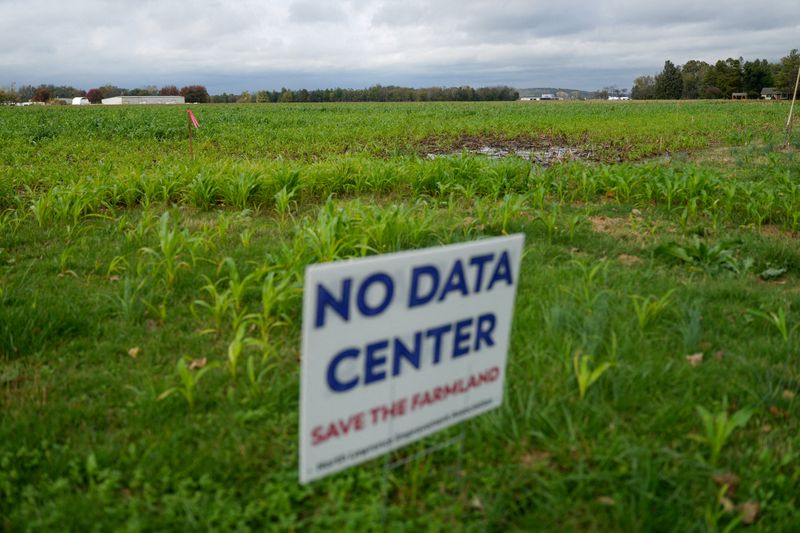
As the sun rose over Fargo on November 5, 2022, the atmosphere buzzed with a mix of anticipation and uncertainty. Local investors and tech enthusiasts gathered at coffee shops and offices, discussing the implications of the recent midterm elections. Little did they know, the outcomes would ripple through the tech industry, particularly impacting stocks tied to artificial intelligence (AI) and data centers. As Democrats secured a significant victory, concerns began to mount over potential hurdles for the industry’s rapid expansion.
In the wake of the midterm elections, AI and data center-linked stocks experienced a notable dip in premarket trading. Companies like CoreWeave and Nebius, both significant players in the AI space, saw their stocks fall by 1.6% and 2.2%, respectively. This decline served as a barometer for investor anxiety regarding heavy AI spending and the potential implications of a Democratic-controlled Congress.
Investors expressed concerns that the new political landscape might introduce tougher scrutiny of the data center industry, potentially slowing down development at a time when public opposition to new facilities is already on the rise. Analysts at UBS estimated that around 30% of expected U.S. data center capacity additions by 2028 could be at risk due to potential construction pauses, highlighting the precarious nature of an industry that thrives on rapid facility buildouts.
The political uncertainty surrounding the midterm results added to the pressure on the broader AI trade. Investors increasingly questioned whether the enormous capital spending required to build AI infrastructure would yield sufficient returns. The fallout from the election was felt across various sectors, with data center operators like Applied Digital and Cipher Digital each dropping about 1% in value.
In Fargo, the local business community reacted with a mix of caution and resilience. Many entrepreneurs and tech leaders gathered at the Fargo Chamber of Commerce to discuss the implications of the election results on their businesses. "While the results may introduce some uncertainty, we have always thrived on innovation and adaptability," said Sarah Thompson, a local tech entrepreneur. "This is just another challenge we need to navigate together as a community."
The discussions at the Chamber echoed a broader sentiment among local investors. As they analyzed the potential impacts on data centers and AI investments, many expressed hope that the community's commitment to growth and development would prevail. Local companies have invested heavily in technology infrastructure, and many are optimistic about the long-term benefits of their investments.
Many local businesses are directly tied to the tech sector, and the recent market fluctuations have sparked conversations about the future of AI and data centers in the region. Local entrepreneur Mark Johnson, who runs a tech consultancy firm, shared his thoughts: "We must remain vigilant and proactive. The tech landscape is always evolving, and we need to be prepared for any changes that come our way. Our community has a strong foundation, and we will continue to push forward."
Another local business owner, Emily Chen, who operates a startup focused on AI-driven solutions, expressed concern but also optimism. "We are in a pivotal moment for technology in Fargo. While the political landscape may shift, it is crucial for us to remain focused on innovation and the unique solutions we can bring to the market. Our local resources, including talent from North Dakota State University, are invaluable assets that can help us weather these changes."
Looking ahead, the implications of the midterm elections on the tech industry remain to be seen. The potential for increased scrutiny on data centers could lead to delays in construction and expansion plans, impacting local economies that rely on these developments. As companies like GE Vernova and Constellation Energy also experienced declines, the interconnectedness of these sectors became evident.
Moreover, hyperscalers, or large-scale cloud service providers, showed mixed results in the wake of the election. While Amazon.com saw a slight increase of nearly 1%, Microsoft remained flat, and chipmakers like Nvidia, Intel, and Broadcom faced declines ranging from 0.4% to 1.5%. These fluctuations suggest a cautious approach among investors, who are weighing the potential risks and rewards of investing in AI infrastructure.
The potential slowdown in data center construction could have significant ramifications for Fargo's economy. The tech sector has been one of the fastest-growing industries in the region, with local data centers providing jobs and stimulating economic development. In recent years, Fargo has positioned itself as a tech hub, attracting businesses and talent from across the Midwest. However, if construction and expansion plans are put on hold, it could lead to job losses and reduced economic activity.
Local government officials, including Fargo's mayor and city council members, are closely monitoring the situation. They understand the importance of the tech industry to the city’s overall economic health. "We are committed to fostering an environment that supports innovation and growth," said Mayor Tim Mahoney. "We will work collaboratively with local businesses to ensure that we can continue to attract investment and talent to our community, even in the face of these challenges."
The recent developments in the AI and data center sectors reflect a broader narrative about the future of technology in America. The rapid expansion of these industries has been met with both excitement and skepticism. As communities like Fargo continue to invest in tech infrastructure, the potential for growth remains significant, but so do the challenges.
With the political landscape shifting, it's crucial for local leaders and entrepreneurs to engage in dialogue about the future of technology in their communities. The importance of collaboration and unity cannot be overstated, as businesses navigate the complexities of a changing market. By fostering a culture of innovation and resilience, Fargo can position itself as a leader in the tech industry.
For those interested in learning more about the local tech landscape, the Fargo Chamber of Commerce offers resources and networking opportunities for entrepreneurs and business owners. Additionally, local universities and colleges are increasingly focusing on tech education, providing a skilled workforce that can support the growth of the industry.
As the community looks to the future, it’s essential to remain connected and informed. Engaging with local organizations, attending workshops, and participating in discussions can help foster a supportive environment for growth and innovation. The strength of Fargo lies in its commitment to collaboration and a shared vision for the future.
As we move forward, the resilience of the Fargo community will be tested, but with a foundation built on strong values and a commitment to progress, there is hope for a bright future in the tech industry. The next few months will be crucial as stakeholders assess the evolving political landscape and its implications for investment in AI and data centers, and how Fargo can adapt to ensure it remains at the forefront of technological advancement.
By Tommy Anderson

By Erik Svenson

By Maya Patel

By Jenna Larson